Most corporate training feels forgettable the moment the slides end. Employees sit through a lecture, nod along, and forget the content within a week. GamiCon ATX 2026, held September 14 and 15 in Austin, Texas, set out to prove there is a better way. Over two days, a room full of instructional designers, HR leaders, and trainers built real game prototypes instead of just talking about theory, and the results changed how at least one attendee thinks about learning design.
Arriving at The Thompson Austin
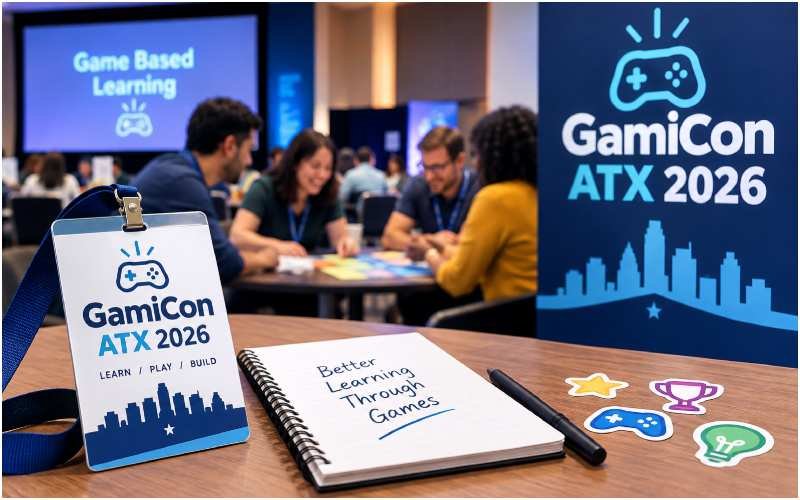
The event took place at The Thompson Austin, a downtown hotel that hosted the conference inside a single open ballroom rather than a set of separate breakout rooms. Attendees arrived around 8:00 AM on Monday, September 14, checked in at the registration desk, and collected a badge, a notebook, and a set of gamification stickers before finding a seat at one of the round tables.
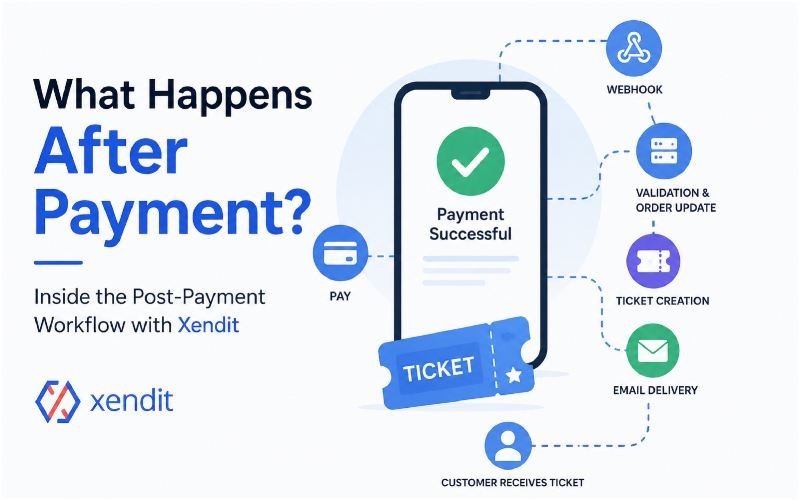
The check-in process required more than a printed ticket. Every attendee still had to show a confirmation email at the desk to receive a physical badge, and no one could enter a session without it.
Anyone planning to attend a similar event should understand this step before arriving, since ticket purchase and physical entry are two separate stages. This site’s own breakdown of what happens after you pay for an event ticket covers how payment platforms handle confirmation, refunds, and the webhook process that turns a purchase into an actual badge at the door.
The tables at GamiCon ATX were assigned at random, which meant strangers from different companies sat together from the first minute. That single design choice shaped the entire two days, since every activity that followed depended on a small team of people who had never met before.
Day One: Defining and Framing the Problem
The first session, called Define It! What Is Worth Building?, opened at 9:30 AM and asked a simple question. Before anyone designs a game, they need to identify the actual problem the game is supposed to solve.
The second session pushed further. Frame It! Build the Story Before You Build the Experience argued that points, badges, and leaderboards are just mechanics, not the reason a game holds attention. The real driver is a narrative that gives a player a reason to care about the next decision.
The schedule below shows how the two days were structured, including which team led each block.
| Session | Day | Time | Facilitator |
| Define It! What Is Worth Building? | Day 1 | 9:30 AM to 10:30 AM | Chuck Sigmund |
| Frame It! Build the Story Before the Experience | Day 1 | 10:45 AM to 12:00 PM | Jonathan Peters and Robert Feeney |
| Design It! AI for Idea Generation | Day 1 | 1:00 PM to 2:30 PM | Rory O’Connor, Carriann Lane, Leah Carrubba |
| Build It! Build Sprint | Day 1 | 2:45 PM to 4:00 PM | Sharon Goza, Build Coach |
| The Arcade Playtest and Collaborative Build Challenge | Day 2 | Full day session | Onsite Build Coaches |
The Build Sprint Challenge
After lunch, every table received the same assignment. Take a boring corporate training topic, in this case compliance training, and turn it into a game that teaches the same material in fifteen to twenty minutes without putting anyone to sleep.
One table built a prototype called The Corporate Jungle, where a new employee moves through a survival map and loses resources for a poor compliance decision. A build coach named Sharon Goza reviewed the prototype directly at the table and pointed out that the rules needed to be simpler, since a new player should understand the game within two minutes.
Where AI Entered the Room
The most talked about session of Day One was Design It! AI for Idea Generation and Vibe Coding Across Tools, led by Rory O’Connor alongside Carriann Lane and Leah Carrubba. O’Connor described a project where his team gave an AI model the role of a rebellious player inside a healthcare training game, specifically to find loopholes a human designer might miss.
The Prompt That Built a Blueprint
Attendees opened their own laptops during the session and tested the idea directly. One table typed a prompt asking an AI tool to act as a game mechanic designer and produce a three step branching scenario for a compliance dilemma, complete with a positive choice, a risky choice, and a severe violation choice.
The output arrived in under a minute and included a full branching structure that would normally take two hours to draft by hand. That speed was the clearest argument in the room for why AI belongs in early stage game design work.
What AI Got Wrong
The output was not perfect. The language read as generic and corporate, without the humor or personality a real game needs. Attendees had to manually rewrite several lines to add tone and character before the prototype felt like an actual game rather than a policy document with dice attached.
This gap between speed and personality lines up with what Training magazine’s own coverage of the GamiCon series has reported about the event, noting that GamiCon sessions consistently pair live demos of AI driven engagement tools with hands on human refinement rather than treating AI as a finished product.
Day Two: The Arcade Playtest
Tuesday, September 15 shifted the entire room from building to testing. The signature activity, The Arcade Playtest and Collaborative Build Challenge, turned the ballroom into a live arcade where every table displayed its prototype and attendees moved from table to table to play each other’s games.
One neighboring table built a detective style card game about phishing emails, where a player has to sort real messages from fake attacks. Testing that game in person revealed a scoring issue the designers had missed entirely while building it in isolation.
Feedback That Changed the Game
An experienced designer who played The Corporate Jungle pointed out that the opening minutes felt slow, since new players had to absorb too many rules before earning any reward. The table responded by cutting the rulebook and adding a short tutorial round that teaches the mechanics through play instead of instruction.
A Visit From an Industry Expert
A well known gamification expert named Jonathan later stopped at the same table and played the finished prototype himself. He praised the narrative structure and the AI generated branching choices, which gave the team direct validation from someone outside their own group.
The Value of In Person Networking
Conversations at GamiCon ATX happened without the usual business card exchange. Attendees met while playing each other’s games, which removed the pressure of a formal pitch.
One attendee, a senior instructional designer from Canada, described building an escape room style safety training program that raised her company’s compliance rate significantly. Another attendee spoke directly with Monica Cornetti, the founder of Sententia Gamification, about where AI tools are heading inside the gamification field.
Sententia Gamification organizes GamiCon in partnership with Training magazine, and Sententia Gamification’s own organizer profile outlines the certification and strategy design work the organization runs year round beyond the conference itself.
What This Experience Means for Corporate Training
The two days at GamiCon ATX 2026 made one point clear. Gamification is not about adding points to an existing slide deck. It works when a designer treats the learner as a player, gives that player a real choice, and wraps the material in a story worth finishing.
AI tools sped up the early drafting stage dramatically, cutting a two hour writing task down to seconds. The human designers still had to add the judgment, humor, and edge cases that made each prototype worth playing a second time.
Key Takeaways From GamiCon ATX 2026
Three lessons stood out above everything else. First, a strong narrative drives engagement far more than points or badges ever will. Second, AI tools are genuinely useful for rapid drafting, but they still need a human editor to add personality and fix generic phrasing. Third, live playtesting surfaces design problems that no amount of solo planning will ever catch.
Readers who want the earlier side of this story can check the case study on what this attendee expected before GamiCon ATX 2026, written before the event started. For more background on the people producing these on the ground reports, visit the team profile on the About Us page.